Finding a qualified electrician in Spain is crucial for ensuring your electrical work is safe, legal, and correctly certified. Always choose a registered professional who provides a detailed written quote and can issue the mandatory ‘Boletín Eléctrico’. Verifying credentials and experience is the best way to avoid costly errors and guarantee compliance with Spanish regulations.
In Spain, all electrical work is governed by a strict national regulation known as the Reglamento Electrotécnico para Baja Tensión (REBT). This legal framework is not a guideline; it is a mandatory set of rules designed to ensure safety and standardization. Consequently, any significant electrical installation, modification, or repair must be carried out by a licensed professional, known as an Instalador Autorizado.
The primary reason for this requirement is certification. Only a licensed electrician can issue an official Electrical Installation Certificate, or Certificado de Instalación Eléctrica (CIE), commonly referred to as the ‘Boletín Eléctrico’. This document is essential for several administrative processes, including connecting a new property to the electricity grid, increasing your contracted power supply (potencia), or legally selling your home. An installation performed by an unlicensed individual will not be certifiable, leaving you unable to complete these critical procedures.
Beyond the legal paperwork, the safety implications are significant. Faulty electrical work is a leading cause of domestic fires and poses a serious risk of electric shock. Licensed electricians are trained to adhere to the REBT’s safety standards, ensuring correct wiring, grounding, and circuit protection. Furthermore, should an incident like a fire occur, your home insurance provider will investigate the cause. If the damage is traced back to non-compliant electrical work performed by an unqualified person, your insurance claim will almost certainly be invalidated, leaving you with the full financial burden of the damages.
In Spain, all electrical work is governed by the Reglamento Electrotécnico para Baja Tensión (REBT). This regulation dictates that any significant modification to your electrical system must be performed by a licensed electrician (Instalador Autorizado) and certified with a new Certificado de Instalación Eléctrica (CIE), commonly known as the ‘Boletín Eléctrico’. Understanding when this is legally required is the first step in planning your project and budget.
The requirement for a certified electrician isn’t just for new builds. Several common scenarios mandate professional intervention to ensure safety and legal compliance. Failure to comply can result in fines, issues with your electricity provider, or complications when selling your property.
1. Upgrading Your Contracted Power (Potencia)
If you plan to install high-consumption appliances like air conditioning, an electric vehicle charger, or a modern induction hob, you will likely need to increase your contracted power (potencia). Your electricity provider will not approve an increase beyond what your current Boletín certifies. An electrician must first inspect your installation to confirm it can handle the higher load and then issue a new Boletín reflecting the updated capacity.
2. Major Renovations or System Changes
Any project that involves altering the fundamental structure of your electrical system requires certification. This includes:
In practice, if the renovation alters more than 50% of the existing installation, a new project plan and subsequent Boletín are mandatory.
3. Obtaining a Holiday Rental License
To legally rent your property to tourists, regional authorities require proof that the home is safe and compliant. A valid, up-to-date Boletín Eléctrico is a standard requirement for obtaining or renewing a Vivienda de Uso Turístico license. An electrician will need to verify that your system meets current REBT standards, particularly regarding safety features like circuit breakers and grounding.
Checklist: When is a Certified Electrician Legally Required?
With the legal requirements understood, selecting the right professional is your next critical step. Not all electricians offer the same level of service or specialization. We guide you through the essential checks to ensure you hire a competent and reliable expert for any electrical work in your Spanish property. A thorough evaluation process protects your investment and guarantees safety.
Expert Tip: You can verify an electrician’s license number directly through Spain’s national industrial registry (Registro Integrado Industrial). This simple check provides definitive proof of their legal status and protects you from fraud
This is non-negotiable. An Instalador Autorizado is the only professional legally permitted to carry out significant electrical work and issue the essential Boletín Eléctrico. Before proceeding, ask for their official license number (número de instalador). You can verify this number through your autonomous community’s industrial registry (Registro Integrado Industrial). A legitimate electrician will provide this information without hesitation; any reluctance is a major red flag.
Beyond the license, practical experience is key. An electrician specializing in new commercial builds may not be the best fit for renovating the wiring in a 100-year-old apartment. Be specific about your project. Ask for examples of similar work they have completed. If you are installing solar panels, upgrading for an electric vehicle charger, or dealing with older systems, ensure they have proven expertise in that specific area.
A professional quote is more than just a final price. It should be a detailed breakdown (presupuesto detallado) that clearly separates costs for materials, labor (per hour or for the project), and IVA (VAT). This transparency allows you to compare quotes accurately and prevents unexpected charges later. Vague quotes often lead to disputes, so choose an electrician who provides clarity from the start.
Good communication is a strong indicator of professionalism. Are they responsive to your calls and emails? Do they explain the proposed work in terms you can understand? Finally, always ask about their guarantee (garantía) on both the installation work and the materials used. A reputable electrician will stand behind their work and offer a clear warranty period.
Selection Checklist: Your Key Vetting Points
Instalador Autorizado number is valid.
Think of the ‘Boletín Eléctrico’, officially known as the Certificado de Instalación Eléctrica (CIE), as the legal passport for your property’s electrical system. This document, issued and signed by a licensed electrician in Spain, officially confirms that your installation complies with the national electrical regulations (Reglamento Electrotécnico para Baja Tensión, or REBT). It is not merely a formality; it is a mandatory requirement for safety and legal compliance.
The certificate is valid for 20 years from the date of issue. However, its validity is tied to the specific installation it describes. A common misconception is that the 20-year period provides a blanket guarantee. In practice, any significant modification to your system legally requires a new certificate, regardless of the old one’s age.
Your electricity supplier will demand a valid Boletín in several specific circumstances. Without it, you cannot formalise contracts or make changes. The most common triggers include:
potencia) beyond what your current certificate allows, a new one is mandatory.cuadro eléctrico) or undertaking a complete rewire, requires re-certification.Quick Checklist: When to Request a Boletín
potencia).Budgeting for an electrician in Spain requires understanding that costs are influenced by location, project complexity, and the professional’s qualifications. Prices in major cities like Madrid or Barcelona are often higher than in rural areas. Work is typically priced either by the hour for smaller repairs or as a fixed-price project (presupuesto cerrado) for larger installations like a full rewire. Always clarify the pricing model before agreeing to any work.

ServiceHero Expert Tip: Be aware of regional price variations. Labour costs for an electrician in major hubs like Madrid or coastal areas such as the Costa del Sol can be 15-20% higher than in more rural parts of inland Spain. Always get at least three local quotes to gauge the market rate for your specific area accurately.
While prices vary, these estimates provide a baseline for common electrical services. These figures are for labor and standard materials; premium fixtures or complex requirements will increase the cost.
desplazamiento) which can range from €20 to €50.cuadro eléctrico to meet modern safety standards generally costs between €300 and €800, depending on the size and number of circuits.A verbal estimate is insufficient for any significant work. To protect yourself and ensure transparency, you must request a detailed written quote, or presupuesto detallado. A professional quote is a legal document and should be treated as such.
A reliable quote must clearly separate costs for materials (materiales) and labor (mano de obra). It should also explicitly state the applicable IVA (VAT), which is 21% for most electrical services. When comparing quotes, don’t just look at the final price. Analyze the quality of materials specified and the scope of work included. A significantly cheaper quote may indicate the use of substandard materials or an incomplete understanding of the project, which can lead to safety issues and future costs.
presupuesto.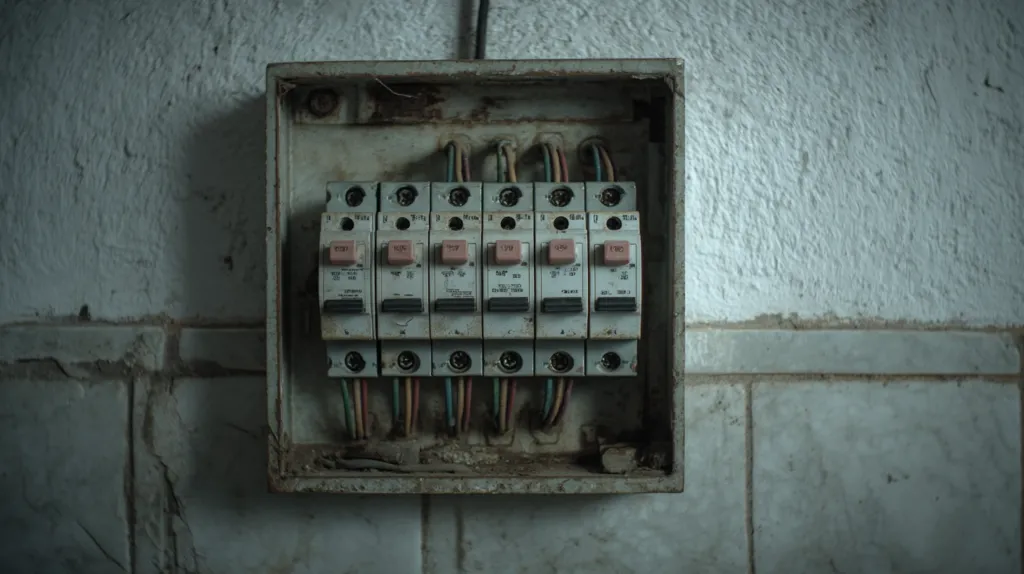
Navigating the process of hiring an electrician in Spain is straightforward once you are aware of the common traps. In our experience, homeowners often face preventable issues that lead to unexpected costs, project delays, and significant legal complications. Avoiding these pitfalls ensures your electrical work is safe, compliant, and completed to a professional standard.
A quote provided over the phone or via email without a site visit (visita técnica) is a major red flag. A professional electrician in Spain will always insist on inspecting the property first. This allows them to assess the condition of the existing wiring, the main fuse box (cuadro eléctrico), and identify any challenges specific to your home. Accepting a verbal estimate often leads to the price increasing significantly once the work begins and “unforeseen” problems are discovered. Always insist on an on-site assessment before receiving a detailed written quote.
It can be tempting to hire a general handyman (manitas) for what seems like a simple electrical task to save money. This is a critical mistake. Any work that requires changes to your installation, such as adding a new circuit or increasing your power capacity, legally requires a certified professional. Only an Instalador Eléctrico Autorizado (Authorized Electrical Installer) can issue or update the essential Boletín Eléctrico. Using an unqualified person will invalidate your home insurance for electrical faults and can create serious safety hazards.
Many older properties in Spain have a low contracted power capacity (potencia contratada). A common oversight is to install new, high-demand appliances like air conditioning units, heat pumps, or electric vehicle chargers without considering the overall load. A qualified electrician should not only perform the installation but also advise if your current potencia is sufficient. Failing to upgrade it can lead to your main breaker constantly tripping or requiring a second, more expensive call-out later to rectify the issue with your utility provider.
Paying in cash without receiving a formal, itemised invoice that includes VAT (IVA) is a false economy. A proper invoice is your legal proof of the work performed and is essential for the warranty (garantía) on both the labour and materials. Without it, you have no recourse if something goes wrong. A reputable electrician will always provide a formal quote (presupuesto) to be signed before work starts and a final invoice upon completion.
Pre-Hiring Checklist to Avoid Pitfalls:
Instalador Eléctrico Autorizado?presupuesto outlining all costs?potencia contratada in relation to the new work?IVA?Minor tasks like changing a light fixture or a socket are generally permitted. However, any work involving new circuits, modifications to the electrical panel, or requiring an updated certificate must be performed by a licensed electrician to be legally compliant.
Yes, the Boletín Eléctrico is associated with the property’s installation, not the owner. It remains valid for 20 years and is transferred to the new owner upon sale, assuming no significant alterations have been made to the electrical system.
No, your utility provider will not allow you to contract more power (potencia) than the maximum capacity certified in your Boletín. To increase your limit, a licensed electrician must assess and potentially upgrade your installation before issuing a new certificate.
A three-phase supply is typically necessary for properties with high power consumption, such as homes with large central air conditioning units, electric car chargers, or powerful pool pumps. Most standard apartments and smaller houses operate on a single-phase supply.
Yes, subsidies for improving energy efficiency, including electrical system upgrades and solar panel installations, are often available. These grants are typically managed by regional governments (comunidades autónomas), so it is best to check with your local authority for current programs.
Get in touch with up to 6 companies near you. Free and without obligation.
See ratings and experiences from other customers. 94% of companies receive top reviews.
View skills, certifications and references — all in one place.
Describe your task and let the right companies contact you.
We forward your request to relevant companies. You decide who to talk to.
Compare offers, choose the right provider and get your project completed.